


What is In-Vehicle AI?
In-Vehicle AI enables vehicles to process sensor and camera data in real time using embedded edge computers. This allows vehicles to analyze their surroundings, improve safety, automate operations, and optimize fleet performance.


Levels of In-Vehicle AI
Premio defines in-vehicle AI across four levels—Level 1: Basic AI Telematics, Level 2: Smart Fleet AI, Level 3: Advanced Vehicle Perception Systems, and Level 4: Autonomous Vehicle Systems—to simplify how AI capabilities evolve in vehicle systems, from basic monitoring to full autonomy. Each level reflects increasing AI workload complexity, sensor integration, and compute requirements.


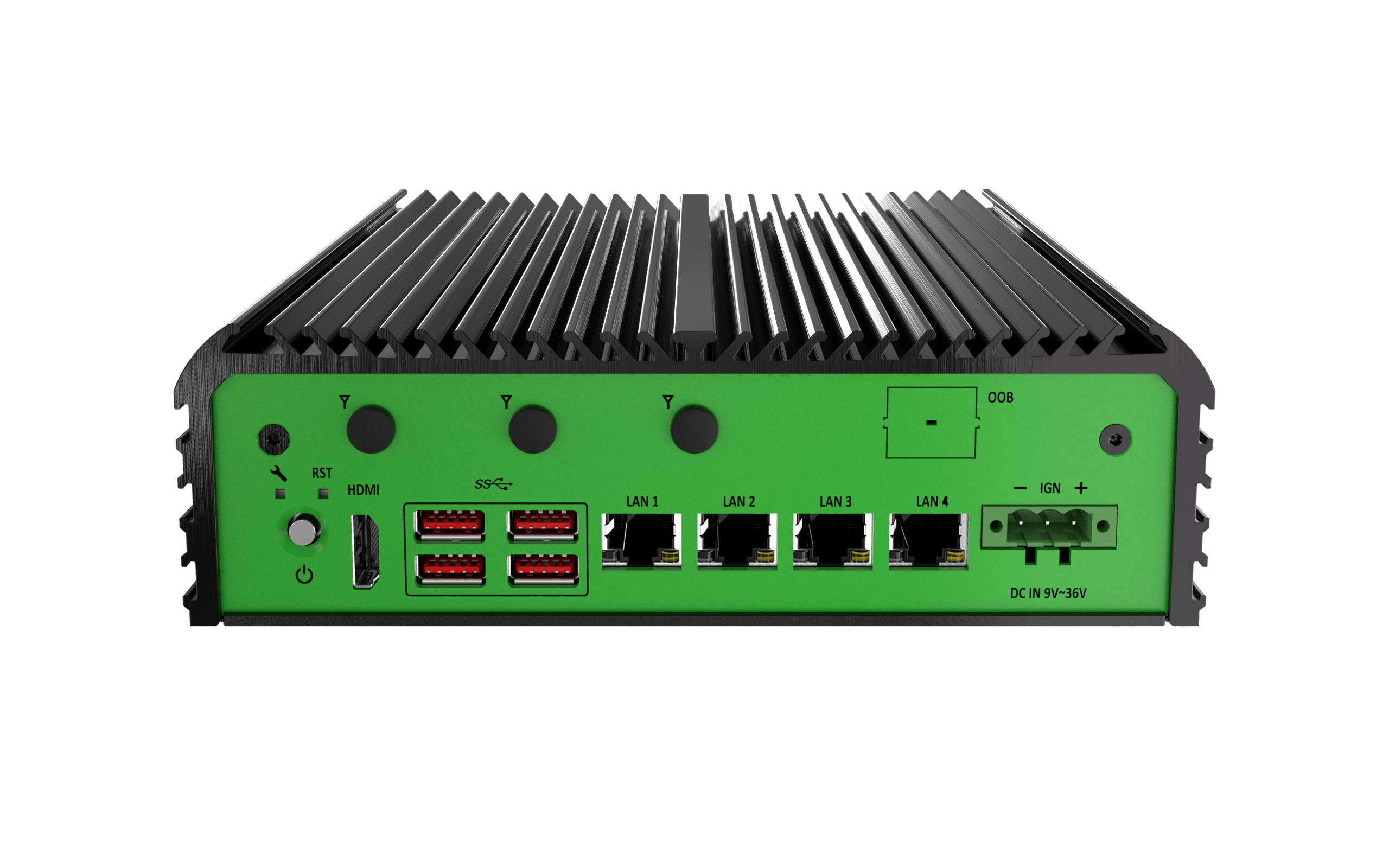

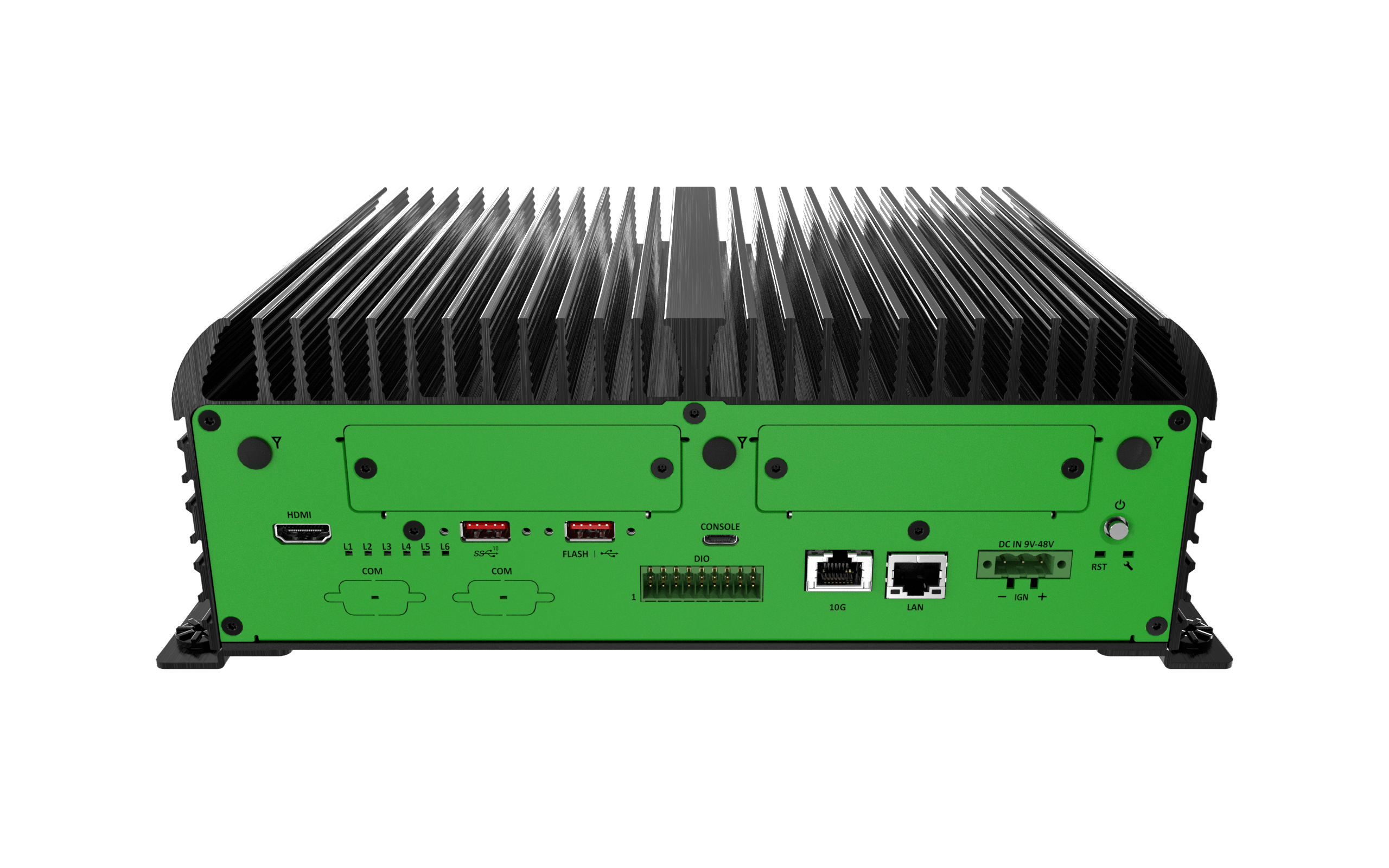

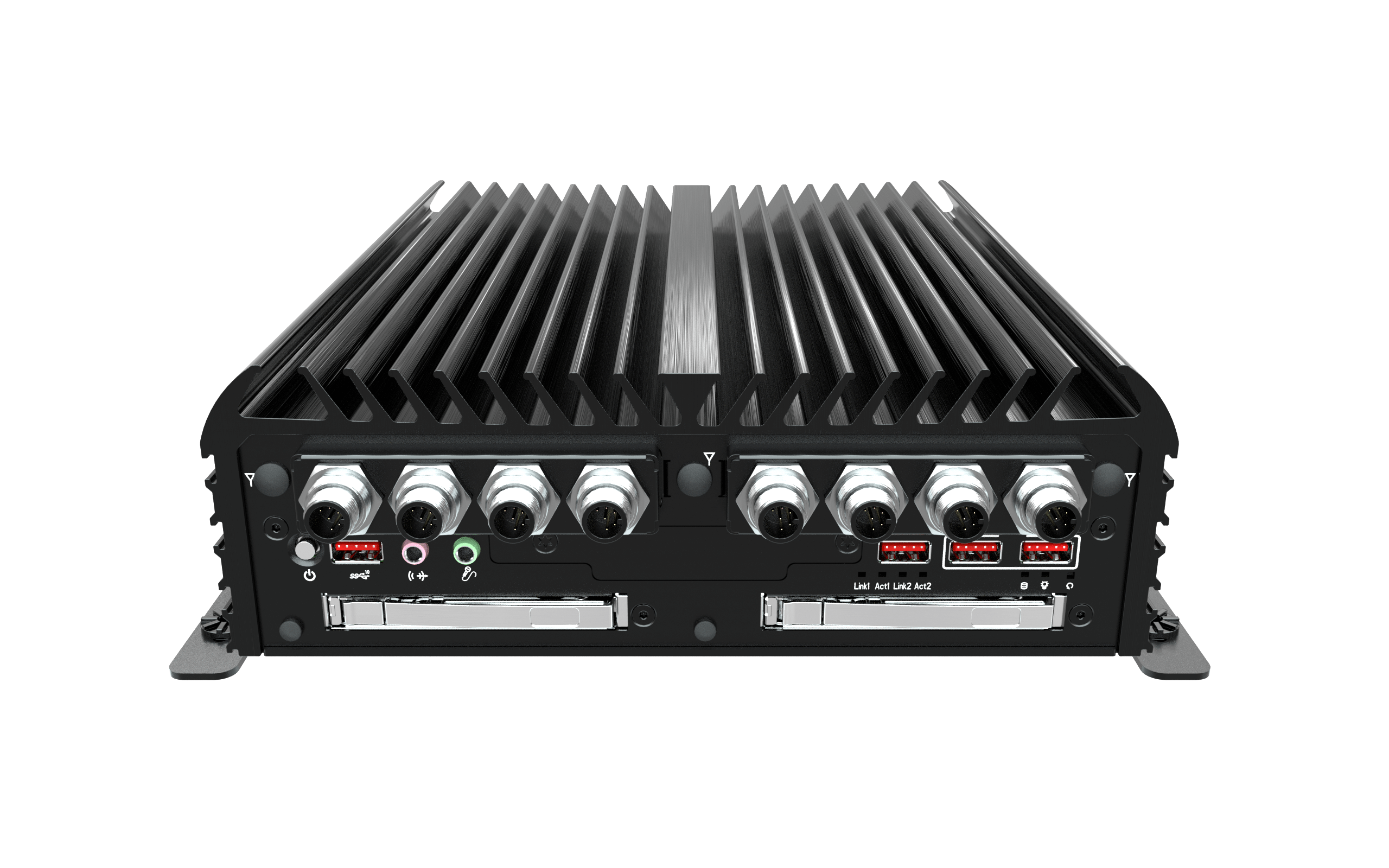

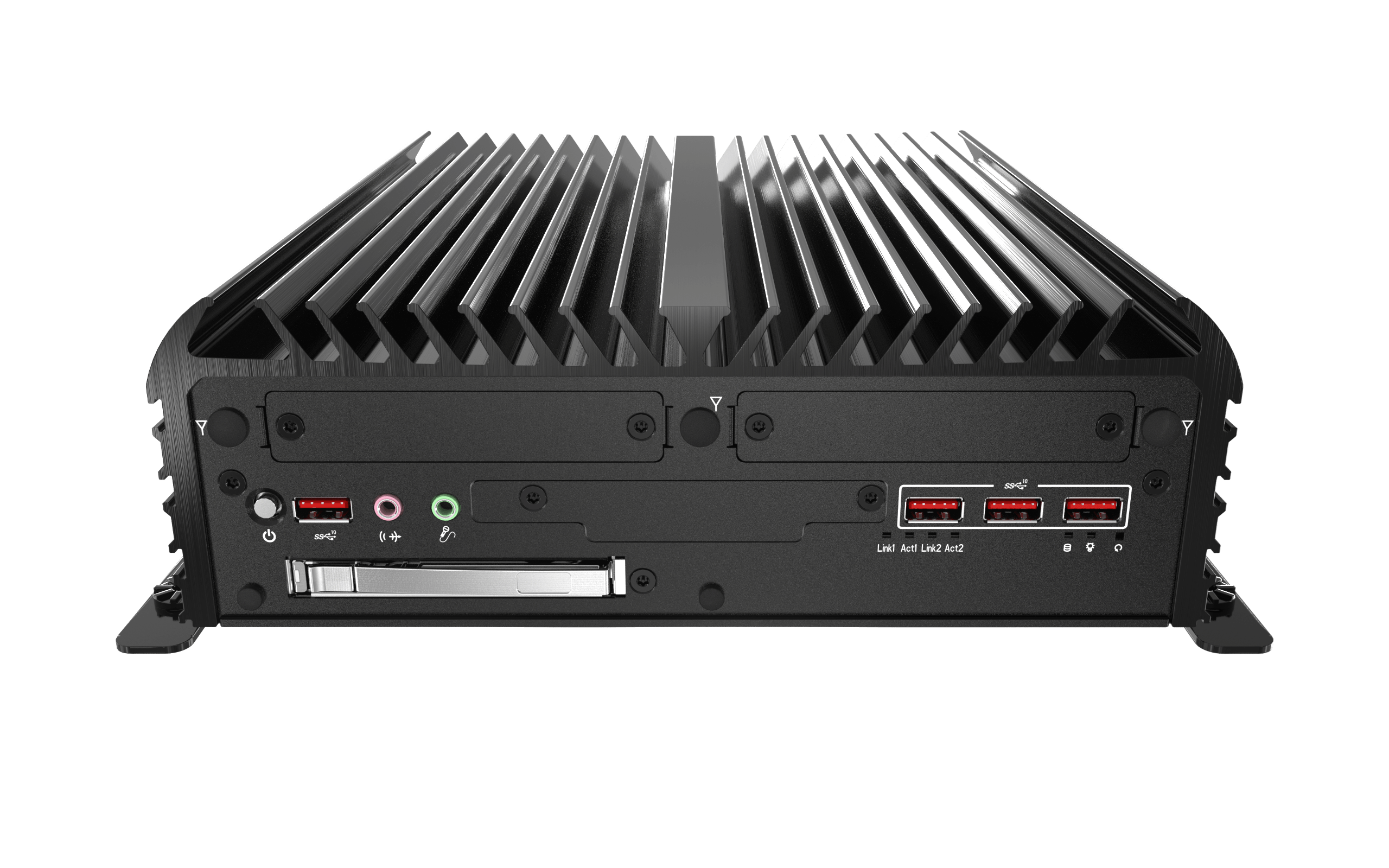

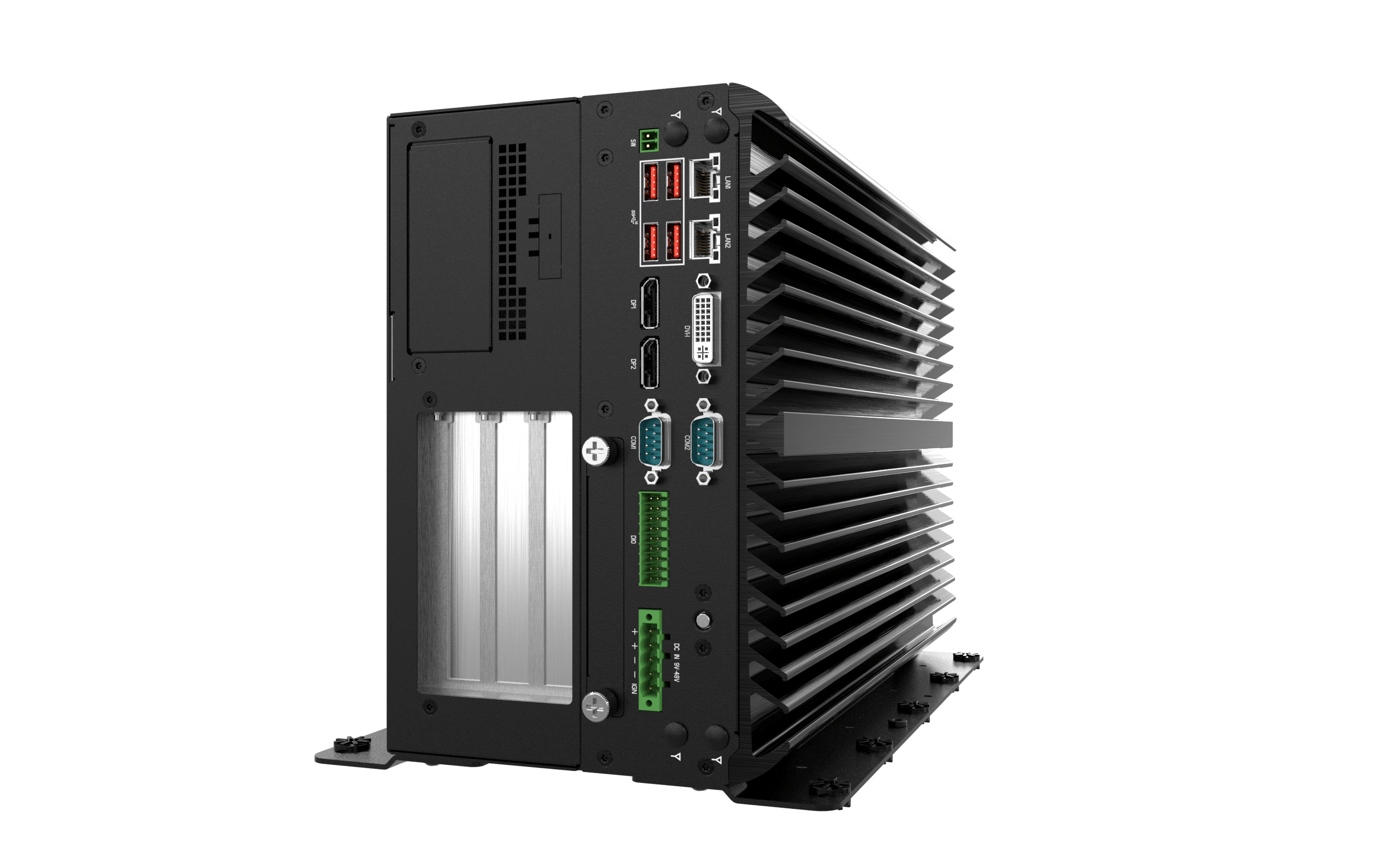

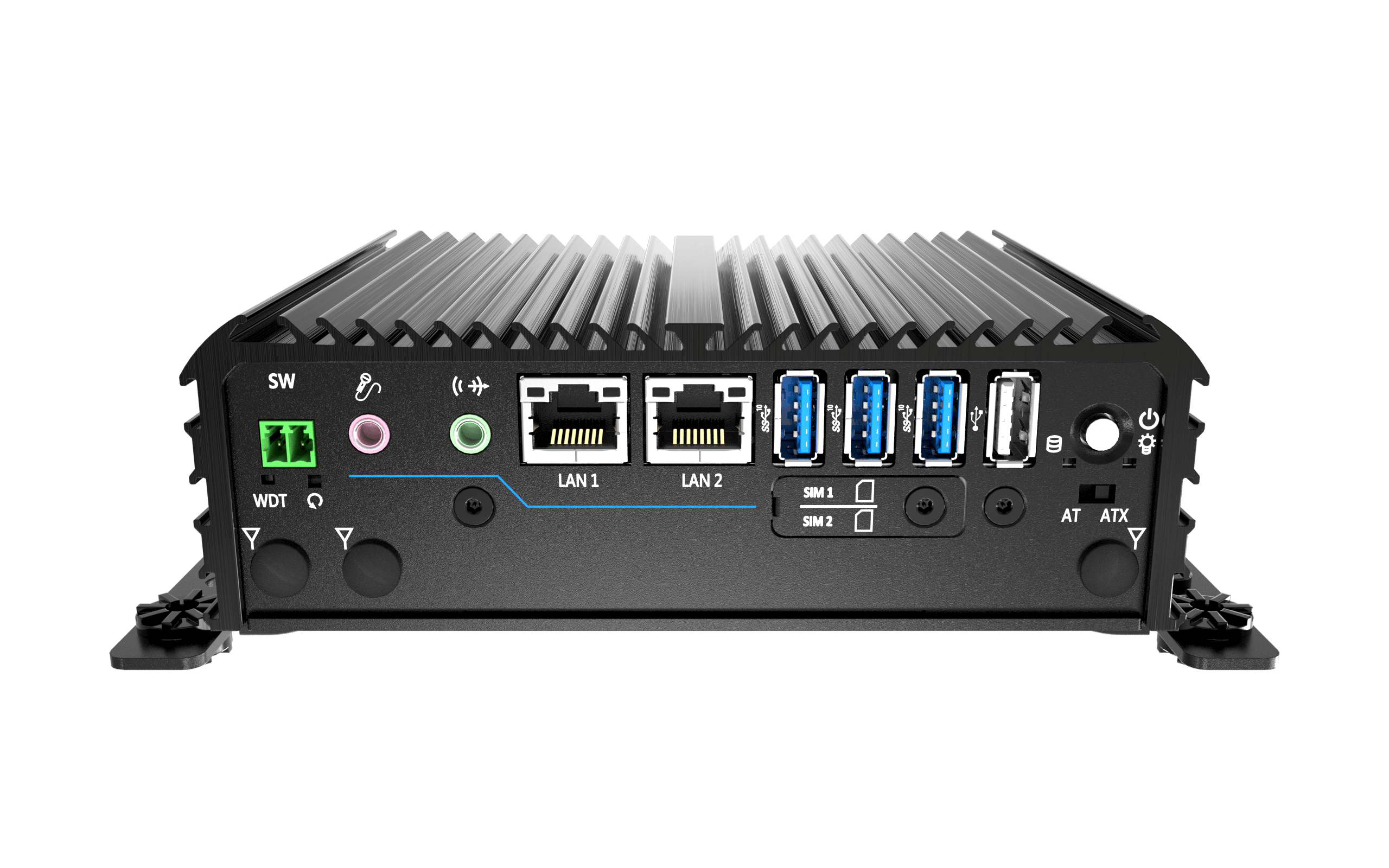
The growing need for low-latency performance, system reliability, and data privacy is accelerating the transition from cloud-dependent AI architectures to edge-based systems that execute intelligence directly within the vehicle.
McKinsey
Key In-Vehicle AI Applications
Fleet Safety AI
Driver monitoring and incident detection.
Smart Public Transportation
Passenger analytics and surveillance.
Traffic & Smart City AI
Intersection monitoring and traffic flow analysis.
Autonomous Mobile Machines
Mining vehicles, agriculture equipment, robotics.
Must-Have Requirements for In-Vehicle AI
Scalable AI Compute
AI workloads range from edge inference to GPU-accelerated perception, requiring flexible compute platforms. (when clicked will have a dropdown like below)
Rugged Reliability
Vehicles operate in extreme temperatures, vibration, and shock conditions requiring industrial-grade hardware.


Real-Time AI Processing
Low-latency AI inference is critical for perception, safety analytics, and automated decision-making.


Industrial 5G Connectivity
Reliable ultra low-latency 5G connectivity (Wi-Fi 6E, 4G/LTE, and private 5G) enables real-time data transmission and seamless integration with cloud and fleet management systems.
Vehicle-Ready Power Design
Wide voltage input and ignition control are required for seamless integration with vehicle power systems.


E-Mark Certification for In-Vehicle AI
In-vehicle AI systems must meet strict automotive standards to ensure safe and reliable operation within transportation environments. E-mark certification verifies that electronic systems are compliant with vehicle regulations and suitable for deployment in mobile applications.
Premio in-vehicle AI platforms are designed to meet E-mark certification requirements for safe deployment across transportation and mobility applications.


Why Choose Premio
An ‘Inside Outsource’ To Your Success
With 30+ years of embedded manufacturing, Premio emphasizes its specialty in highly reliable and rugged edge computing hardware for Industry 4.0 deployment applications. Our dedicated teams ensure Premio provides swift time-to-market solutions with our global turnkey manufacturing and support infrastructure for scalable deployment.
- State-of-the-art facility in Los Angeles, California (ISO9001, ISO14001, ISO13485)
- Regulatory testing and compliance for North American market
- In-house burn-in testing and simulation chambers
- Dedicated support and supply chain teams to navigate disruptions